






BACKGROUND The range of serum alanine aminotransferase (ALT) varies in different sub-populations or countries. Its population-specific cut-off points may provide a more effective screening tool for non-alcoholic fatty liver disease (NAFLD). Objectives To investigate the upper normal level (UNL) of ALT and its association with metabolic syndrome (MS) in a semi-urban population in southern Iran. METHODS The baseline data of Pars Cohort Study was used. A total of 9264 subjects aged 40-75 years were enrolled. UNL of ALT was estimated based on 95 percentile of ALT in participants who had body mass index (BMI) < 25. Multivariable logistic regression was applied and adjusted odds ratio (OR) and its 95% confidence interval (CI) were estimated. RESULTS 95 percentile of ALT was 41.71 U/L and 32.9 U/L in men and women, respectively. Abnormal waist circumference (OR: 1.72, 95%CI: 1.34, 2.21), triglyceride (OR: 1.63, 95%CI: 1.25, 2.13), fasting blood sugar (OR: 1.69, 95%CI: 1.32, 2.16), cholesterol level (OR: 1.06, 95%CI: 1.03, 1.09) and systolic blood pressure (OR: 1.08, 95%CI: 1.01, 1.16) were independently associated with ALT. CONCLUSION UNL of ALT in southern Iranian women is lower than the current recommended level, while these are almost the same for men. MS components are highly common in southern Iran and are associated with elevated serum ALT. Further studies are recommended to estimate the UNL of serum ALT among the Iranian population with NAFLD.
Author
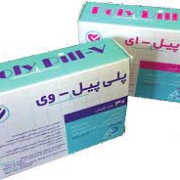
Background: Cardiovascular diseases (CVDs) are the leading cause of death in Iran. A fixed-dose combination therapy (polypill) was proposed as a cost-effective strategy for CVD prevention, especially in lower-resource settings. We conducted the PolyPars trial to assess the effectiveness and safety of polypill for prevention of CVD.
Methods: The PolyPars trial is a pragmatic cluster randomized controlled trial nested within the Pars Cohort Study. Participants were randomized to an intervention arm and a control arm. Participants in the control arm received minimal non-pharmacological care, while those in the intervention arm received polypill in addition to minimal care. The polypill comprises hydrochlorothiazide 12.5 mg, aspirin 81 mg, atorvastatin 20 mg, and either enalapril 5 mg or valsartan 40 mg. The primary outcome of the study is defined as the first occurrence of acute coronary syndrome (non-fatal myocardial infarction and unstable angina), fatal myocardial infarction, sudden cardiac death, new-onset heart failure, coronary artery revascularization procedures, transient ischemic attack, cerebrovascular accidents (fatal or non-fatal), and hospitalization due to any of the mentioned conditions. The secondary outcomes of the study include adverse events, compliance, non-cardiovascular mortality, changes in blood pressure, fasting blood sugar, and lipids after five years of follow-up.
Results: From December 2014 to December 2015, 4415 participants (91 clusters) were recruited. Of those, 2200 were in the polypill arm and 2215 in the minimal care arm. The study is ongoing. This trial was registered with ClinicalTrials.gov number NCT03459560.
Conclusion: Polypill may be effective for primary prevention of CVDs in developing countries.
 Strategic Consultative Meeting on Large-Scale Population Studies Held at the Ministry of Health’s Deputy for Research and TechnologyJune 7, 2026 - 2:25 pm
 Strengthening the Country’s Population Research with the 15th National Call by NIMADMay 21, 2026 - 10:50 am
 Estimating opium use prevalence at the national and provincial levels in Iran: a modelling studyMarch 16, 2026 - 10:28 am