
Strategic Consultative Meeting on Large-Scale Population Studies Held at the Ministry of Health’s Deputy for Research and Technology
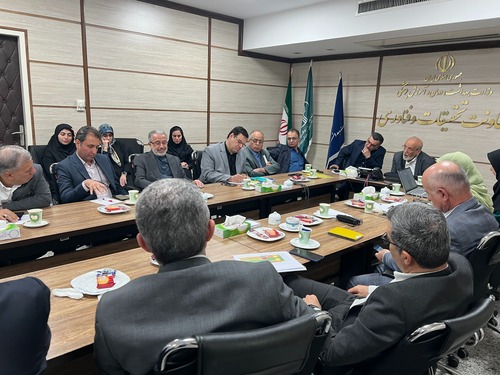
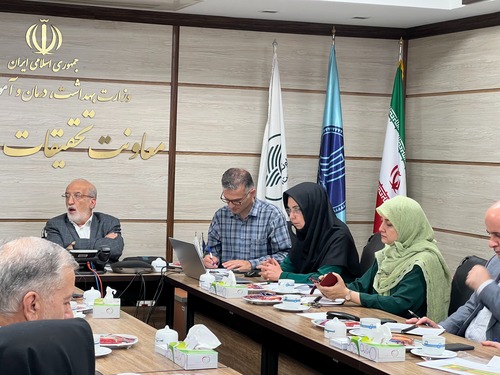
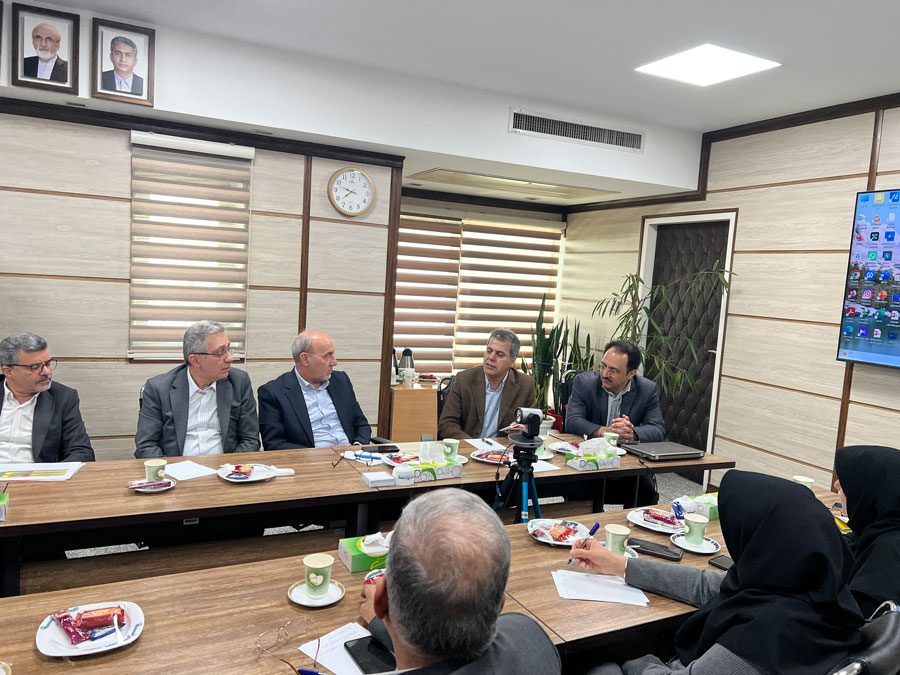
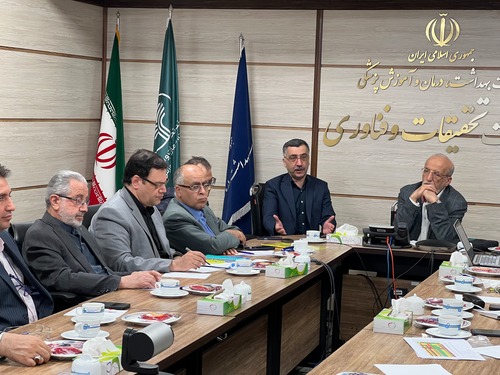
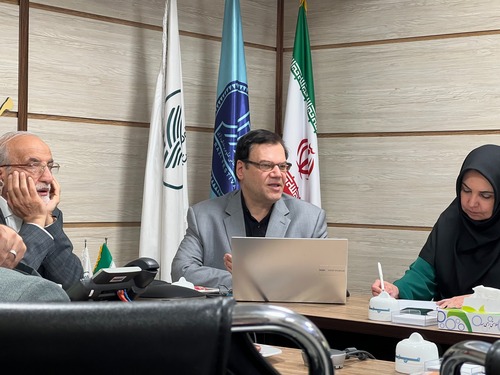
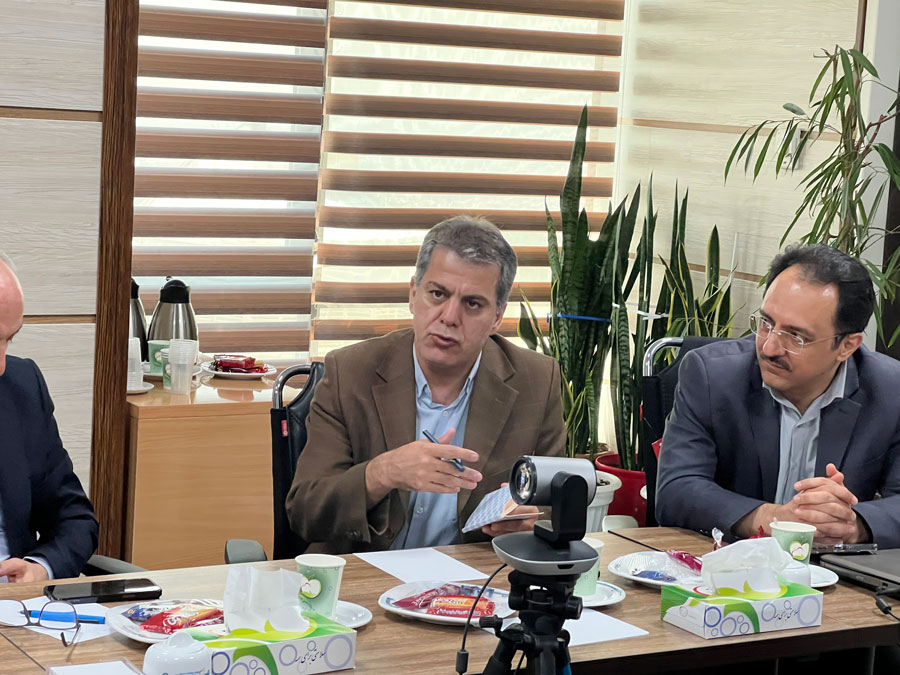
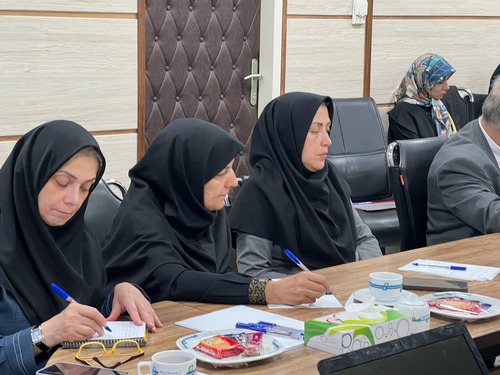
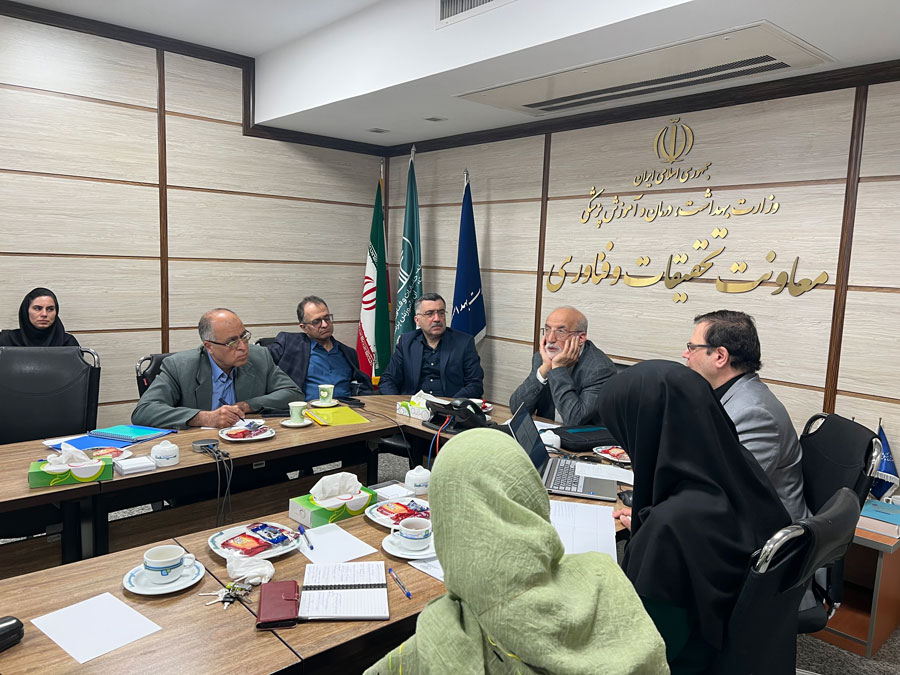
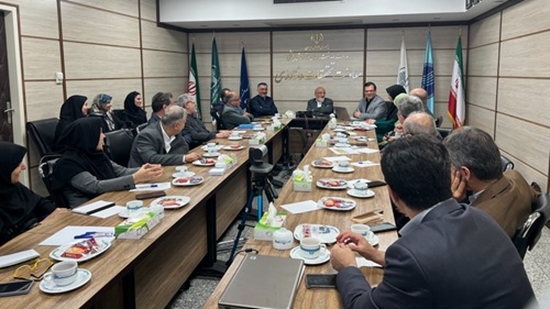
A strategic consultative meeting on large-scale population studies was held on June 6, 2026, with the participation of managers, officials, and experts in the field of research at the Deputy for Research and Technology of the Ministry of Health and Medical Education.
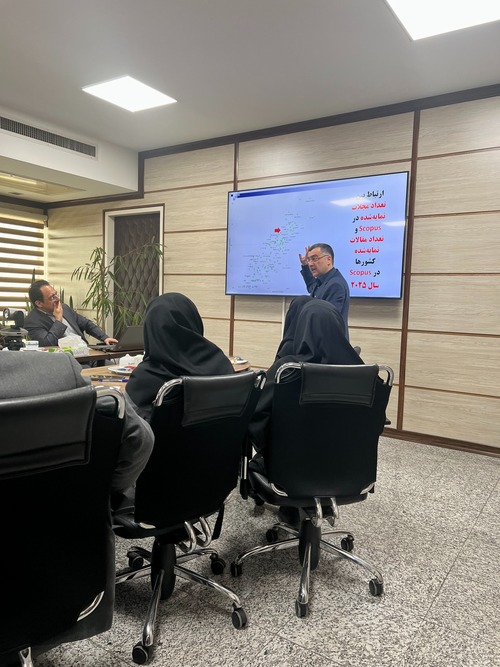
At the beginning of the meeting, Dr. Jalalinia, the head of the Center for Research Development, Coordination, and Evaluation presented a report on the actions and performance of the Deputy’s headquarters in planning and guiding the country’s large-scale population study program. The report emphasized the progress made in developing and strengthening these national infrastructures and their role in improving public health.
Next, Dr. Mesgarpour, the Deputy for Research and Technology of the NIMAD Institute presented a report on the institute’s support programs in the area of large-scale population studies and corresponding biobanks, and explained the existing challenges in preparing and submitting proposals related to targeted calls for proposals (RFPs). She stressed the need for effective cooperation and interaction between the secretariat of the steering working group for large-scale population studies and the research and technology network for large-scale population studies, and identified improving the quality and effectiveness of research projects as essential for increasing the impact of these studies.
During the specialized discussion and exchange of views, Dr. Akhoundzadeh emphasized the need to fulfill the obligations set out in the country’s Seventh Development Plan and to pay attention to the requirements and policies of the post-war period. He considered the role of the headquarters working group for large-scale population studies in effective coordination and interaction with related networks and infrastructures to be highly significant. He also described optimal use of existing data infrastructures as one of the most important requirements for advancing health research, stating that targeted use of these capacities could help produce higher-quality scientific outputs and facilitate the country’s research processes.
Later, Dr. Farjam, secretary of the steering working group for large-scale population studies, outlined the challenges and limitations involved in maintaining, sustaining, and improving the performance of these studies, and emphasized the need for participatory planning to make use of the valuable data produced by large-scale population studies. He identified issues such as data governance and ownership, financial and human resource provision, standardization and integration of data systems, improving scientific productivity and knowledge translation, expanding intersectoral cooperation, linking with industry, and increasing the impact of these studies on health policymaking as the most important areas of focus.
In the continuation of the meeting, Dr. Malekzadeh referred to successful examples of using large-scale population studies to improve public health and described the “Polypill” megaproject as one of the prominent examples of the impact of such studies on improving health outcomes. Dr. Larijani also reviewed the valuable experience of the Research Institute for Endocrine Sciences and Metabolism of Tehran University of Medical Sciences in designing and implementing large-scale population studies, emphasizing the need to move toward problem-oriented research and to make targeted use of these infrastructures to respond to the needs of the country’s health system. Dr. Azizi also referred to the current challenges in research and the lessons learned from the development and management of the country’s research infrastructures, stressing the importance of preserving and valuing human capital as one of the most important requirements for the sustainability and success of large-scale population studies.
At the end of the session, Dr. Khalili, the head of the Iran Cohort Consortium (ICC), presented a report on the network’s programs and activities. The professors and specialists present at the meeting also offered their views and suggested solutions, emphasizing synergistic approaches to using data from large-scale population studies, as well as the need for periodic follow-up and accurate data recording.
Dr. Jalalinia’s presentation: Iran’s Large-Scale Population Studies Report 2026


Leave a Reply
Want to join the discussion?Feel free to contribute!