


Background: Self-reported substance use is more likely to be influenced by underreporting bias compared to the biological markers. Underreporting bias or validity of self-reported substance use depends on the study population and cannot be generalized to the entire population. This study aimed to compare the validity of self-reported substance use between research setting and primary health care setting from the same source population.
Methods and materials: The population in this study included from Rafsanjan Youth Cohort Study (RYCS) and from primary care health centers. The sample from RYCS is made up 607 participants, 113 (18.62%) women and 494 (81.38%) men and sample from PHC centers is made up 522 individuals including 252 (48.28%) women and 270 (51.72%) men. We compared two groups in respect of prevalence estimates based on self-reported substance use and urine test. Then for evaluating validity of self-reported substance use in both group, the results of reference standard, urine tests, were compared with the results of self-reported drug use using measures of concordance.
Results: The prevalence of substance use based on urine test was significantly higher in both settings compared to self-reported substance use over the past 72 h. The sensitivity of self-report substance use over the past 72 h in research setting was 39.4, 20, 10% and zero for opium, methadone, cannabis and amphetamine, respectively and in primary health care setting was 50, 20.7, 12.5% and zero for opium, methadone, cannabis and amphetamine, respectively. The level of agreement between self-reported substance use over the past 72 h and urine test indicated fair and moderate agreement for opium in both research and primary health care settings, respectively and also slight agreement for methadone and cannabis in both settings were reported. There was no significant difference between the two groups in terms of self-reported substance use. For all substances, the level of agreement increased with longer recall periods. The specificity of self-report for all substances in both groups was more than 99%.
Conclusion: Individuals in primary health care setting were more likely to self-reported substance use than in research setting, but setting did not have a statistically significant effect in terms of self-reported substance use. Programs that rely on self-reported substance use may not estimate the exact prevalence of substance use in both research and primary health care settings, especially for substances that have a higher social stigma. Therefore, it is recommended that self-report and biological indicators be used for more accurate evaluation in substance use studies. It is also suggested that future epidemiological studies be performed to reduce bias of social desirability and find a method providing the highest level of privacy.
Keywords: Primary health care settings; Research setting; Self-reported; Substance use; Underreporting; Validity.
The prevalence of NCDs was 9.8% for type 2 diabetes, 17.1% for hypertension, 11.6% for thyroid disease, 0.2% for multiple sclerosis and 5.7, 0.9 and 1.3% for ischemic heart disease, stroke and myocardial infarction, respectively. The prevalence of multimorbidity (≥2 NCDs) was higher in women (39.1%) than in men (24.9%). The means (standard deviations) of […]

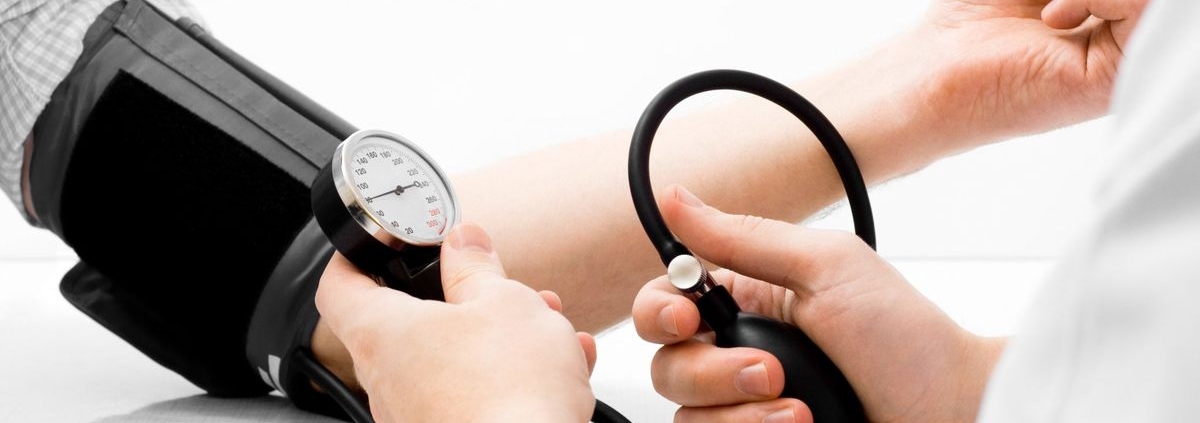
In this cross-sectional study, 9990 participants from the Rafsanjan cohort study, as a part of the prospective epidemiological research studies in IrAN (PERSIAN), aged 35-70 years were included. Nut consumption was assessed using an abbreviated food questionnaire. Further, demography, personal habit, physical activity, medical history, blood pressure, and body mass index (BMI) questionnaires were used. Logistic regression models were applied to examine the possible relationship between hypertension risk and nut consumption. Statistical analyses were performed using STATA statistical software.
The results showed that the average consumption of all nuts except walnuts was significantly higher in non-hypertensive individuals (P<0.001). In the crude regression model, the odds of hypertension were significantly lower among pistachio, walnuts, seeds, and total nuts consumers. However, a protective association was observed between the prevalence of hypertension and the consumption of all nuts together and seeds, after adjusting for sex, age, and other confounders.
The data show that the intake of all nuts and seeds is inversely associated with hypertension risk.

The birth cohort from 1397 to 1400 examined about 1500 mothers and babies in Rafsanjan city.

 Strategic Consultative Meeting on Large-Scale Population Studies Held at the Ministry of Health’s Deputy for Research and TechnologyJune 7, 2026 - 2:25 pm
 Strengthening the Country’s Population Research with the 15th National Call by NIMADMay 21, 2026 - 10:50 am
 Estimating opium use prevalence at the national and provincial levels in Iran: a modelling studyMarch 16, 2026 - 10:28 am