
Archive for year: 2022
Following the Famenin brucellosis cohort studies
Following the Famenin brucellosis cohort studies, we designed some another research programs to gain more extra data about the risk factors related the Brucellosis disease in Famenin.
Our main projects are as below:
- Evaluation of the incidence, relapse, clinical manifestations and complications of brucellosis during two years among participants in the brucellosis cohort study of Famenin.
- Confirmation the results of seropositive samples collected from Famenin brucellosis cohort and determination of their species by PCR technique.
- Investigation and follow up of brucellosis disease in seropositive participants in Famenin cohort of brucellosis and their families using culture and serology methods.
- A survey of seroprevalence of brucellosis in domestic livestock (cattle, sheep and goats) in Famenin city, 2019.
- Evaluation of Brucella infection in milk of domestic animals of Famenin city and its comparison with the results of serological tests in the same animal population.
- Investigation and evaluation of dietary exposure to tetracycline, oxitetraciclin and chlortetracycline antibiotic residues in domestic animal’s milk in Famenin.
- Isolation of Brucella bacteria from positive serological samples collected from Hamadan province and Famenin brucellosis cohort by culture and genetically confirmation and determination of their species by PCR technique.
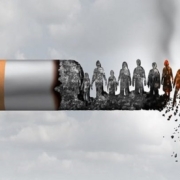
Validity of self-reported substance use: research setting versus primary health care setting

Abstract
Background: Self-reported substance use is more likely to be influenced by underreporting bias compared to the biological markers. Underreporting bias or validity of self-reported substance use depends on the study population and cannot be generalized to the entire population. This study aimed to compare the validity of self-reported substance use between research setting and primary health care setting from the same source population.
Methods and materials: The population in this study included from Rafsanjan Youth Cohort Study (RYCS) and from primary care health centers. The sample from RYCS is made up 607 participants, 113 (18.62%) women and 494 (81.38%) men and sample from PHC centers is made up 522 individuals including 252 (48.28%) women and 270 (51.72%) men. We compared two groups in respect of prevalence estimates based on self-reported substance use and urine test. Then for evaluating validity of self-reported substance use in both group, the results of reference standard, urine tests, were compared with the results of self-reported drug use using measures of concordance.
Results: The prevalence of substance use based on urine test was significantly higher in both settings compared to self-reported substance use over the past 72 h. The sensitivity of self-report substance use over the past 72 h in research setting was 39.4, 20, 10% and zero for opium, methadone, cannabis and amphetamine, respectively and in primary health care setting was 50, 20.7, 12.5% and zero for opium, methadone, cannabis and amphetamine, respectively. The level of agreement between self-reported substance use over the past 72 h and urine test indicated fair and moderate agreement for opium in both research and primary health care settings, respectively and also slight agreement for methadone and cannabis in both settings were reported. There was no significant difference between the two groups in terms of self-reported substance use. For all substances, the level of agreement increased with longer recall periods. The specificity of self-report for all substances in both groups was more than 99%.
Conclusion: Individuals in primary health care setting were more likely to self-reported substance use than in research setting, but setting did not have a statistically significant effect in terms of self-reported substance use. Programs that rely on self-reported substance use may not estimate the exact prevalence of substance use in both research and primary health care settings, especially for substances that have a higher social stigma. Therefore, it is recommended that self-report and biological indicators be used for more accurate evaluation in substance use studies. It is also suggested that future epidemiological studies be performed to reduce bias of social desirability and find a method providing the highest level of privacy.
Keywords: Primary health care settings; Research setting; Self-reported; Substance use; Underreporting; Validity.
Cohort-based analysis of paternal opioid use in relation to offspring’s BMI and plasma lipid profile
Latest News
 Association between hypertension status and severity and tinnitus: a cross-sectional analysis of the Fasa adult cohort studyJuly 26, 2026 - 9:32 am
 به کارگیری شاخص رژیم غذایی غربی شده در پایش تغذیه ای ابزاری برای شناسایی گذار غذایی ناسالم و خطر متابولیک در ایرانJuly 19, 2026 - 11:54 am
 Association of Anthropometric Indices with Type 2 Diabetes Prevalence: Evidence from the Rural Fasa CohortJuly 19, 2026 - 11:32 am