
10-years assessment of cardiovascular outcomes and its related risk factors among population aged between 40-70 years, in Shiraz

Shiraz University of Medical Sciences
Cardiovascular Research Center
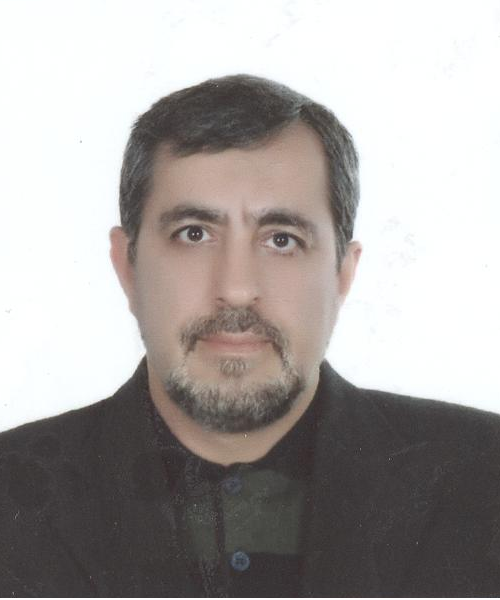
Principal Investigator: Mohammad Javad Zibaeenezhad
-
Professor of Interventional CardiologyCardiovascular Research CenterShiraz University of Medical Sciences
Approval date
2014
Starting date
2017
Goals
- Determining social-demographic variables (name and surname, gender, place of birth, age, age of entry into the study, marital status, family marriage of individual, family marriage of parents, ethnicity of parents, socioeconomic status, level of education and occupation) in the study subjects at entry into the study
- Determining anthropometric variables (height, weight, body mass index, waist circumference, wrist and hip circumference, skinfold thickness) in subjects under study at study entrance and in two-year follow-ups.
- Determining the prevalence and occurrence of metabolic syndrome in the study subjects at the beginning of the study and in the two-year follow-up
- Determining the variables of tobacco consumption (cigarettes, cigars, “hookah with natural tobacco, fruit tobacco” and pipes), alcohol and drugs in the study subjects at the beginning of the study and in the two-year follow-up
- Determining the amount of physical activity in the study subjects at the entrance of the study and in the two-year follow-up
- Determining the type of nutrition in the study subjects at the beginning of the study and in the two-year follow-up
- Determination of blood parameters (total cholesterol, LDL cholesterol, HDL cholesterol, triglycerides, fasting blood sugar (FBS), creatinine, BUN and calculation of GFR) in the study subjects at the beginning of the study and in the two-year follow-up
- Determining the average systolic and diastolic blood pressure and heart rate in the study subjects at the beginning of the study and in the two-year follow-up
- Determining the individual’s disease history (hypertension, diabetes, various cancers, epilepsy and psychiatric disorders) in the study subjects at the time of entry into the study and in the two-year follow-up
- Determining the family history of diseases (cardiovascular, types of cancers, diabetes, epilepsy and psychiatric disorders) in the 1st and 2nd degree relatives of the study subjects at the time of entering the study and in the two-year follow-up
- Determining the ten-year mortality rate due to cardiovascular outcomes in the subjects under study at study entry and in two-year follow-ups
- Determining new genetic loci and occurrence of cardiovascular outcomes in the subjects under study. Determining the phenotypes and incidence of cardiovascular outcomes and their conditions in relation to genetic predisposition, gene function and the contribution of genetics and environment in the subjects under study
Study population
Statistically, the samples were selected from the 40 to 70-year-old population with the cooperation of family doctors in these areas in such a way as to represent the people of Shiraz city in the same age range. In this study, which was conducted in both men and women, using the cluster sampling method; and based on the urban family physician, initially, considering the approved proposal, it was determined that 10,000 people would be included in the study. At the end, due to financial issues, according to the request of the Chancellor of Shiraz University of Medical Sciences, the population included in the study was reduced to 7225 people.
Sampling method and sample size
In this study, the multistage sampling method is used, that is, a combination of several sampling methods (probability sampling) is used, which includes cluster and stratified sampling methods. Also, the systematic sampling method will be used in the last stage to select the samples. The sampling unit in this study will be the individual. The considered indicators include urban areas, age, gender. And by using the census and demographic information, the share of age and gender distributions is determined. This study will be included as a program in the family doctor system of the university health department, so that due to the volume of work, the appropriate capacity of the university health department can be used. Therefore, the sampling method and working method are designed with this background.
In this study, sampling will be done based on urban geography and distribution of health and medical centers. Based on population distribution, Shiraz city is covered by 3 health centers. Each health center covers about 17 health care centers at environmental levels and there are a total of 51 centers in Shiraz city.
These are the centers or bases of the public sector. Each of these centers in the family doctor program has a number of private sector clinics and private general practitioners’ offices under their supervision. On an average, it can be said that each of the state health centers covers approximately 30,000 people; And in total, 51 centers cover about 1,700,000 people in Shiraz city. It is worth mentioning that some of these centers also cover the rural population around Shiraz, which will be excluded from the sampling of this study. The implementation method is as follows: first, the population covered by the health and medical centers of Shiraz city is considered as the sampling frame. The size of each cluster is considered to be 200 people, so according to the total sample size, 50 permanent government family doctors based on the registered population of the center are needed as research team leaders in each cluster. Therefore, according to this approach and to increase the accuracy of sampling and to take into account the maximum dispersion, we will do the sampling in this way. First of all, Shiraz will be divided into three districts, and these three districts will be the areas covered by the three health and treatment centers of Shohadaye-Valfajr, Shohadaye-Enghelab, and Shohadaye-Gomnam.
Then, we divide the centers covered by the collaborating doctors in the city family doctor program into three groups (Shiraz city has 680 family doctors, of which 70% are engaged in providing services in the private sector). 1- Doctors who are working in government health and treatment centers, these doctors usually have an employment relationship with the university and approximately 30% of the population of Shiraz are covered by their family doctor programs. 2- Private doctors who cooperate with the family doctor program in private clinics. 3- Private doctors who work in private offices and collaborate in the family doctor program.
It should be noted that about 8% of the population of Shiraz city is not covered by the family doctor program, and considering that their list is not available with city family doctors, they will not be included as samples. And they are removed from sampling without harming the principle of sampling. These people are mainly people who do not have health insurance and are covered by other insurances, including banks and armed forces insurance. Having such a sampling frame, first, according to the size of the total sample of doctors and the number of doctors of each of the above 3 groups, we determine the share of each group in the total sample, i.e. 50 doctors. Then, according to the available list of doctors in the urban family doctor program, we obtain the characteristics of each of the doctors in the 3 mentioned groups according to the geographical distribution and density of the population and determine the share of each doctor in each center.
Then, according to the available list of doctors in the urban family doctor program, we obtain the characteristics of each of the doctors in the 3 mentioned groups based on the geographical distribution and density of the population and determine the share of each doctor in each center. Sampling in each of these groups will be systematic. After identifying the doctors in each category, experts in this field will be contacted (the officials of the family doctor office and its head) and questions will be asked about the cooperation of that doctor with a plan. Also, Cohort team members talk directly with the family doctor selected in that group. In this way, with prior coordination with the doctors, they will be asked to attend the Research Tower on one day, and the general aspects of the study will be discussed with them.
Conditions for the selection of collaborating doctors in the Cohort study (1- expressing willingness to cooperate in the study, 2- having a good history of cooperation with the family doctor in the past period, 3- not intending to leave the center in the next few years). The study manager will do something to place him as the head of the research group in that sample of 200 people. And that doctor is included as an example of the selection of doctors; otherwise, another doctor from the same list in the same group will be replaced. After choosing a doctor, the second stage of sampling is to reach a sample size of 200 people in each cluster. For this, you can use the list in the doctor’s registration program on each computer, and on average, each doctor covers 2500 people. An average number of 700 people live between 40 and 70 years. From this number, a sample of 200 people was systematically selected according to their size and gender. To do this, we can separate the list of weighted men and then sort them according to their age. Then 100 people from each gender group were randomly selected from the list. This method allows us to have a sufficient number of samples from both sexes and also in different age groups from 40 to 70 years old (that is, 9600). At the beginning of work and in the first year, if for any reason the doctor does not want to cooperate, another doctor in the same area will replace him.
This will be to prevent samples from missing. However, in each center, a family doctor will be responsible for managing the study in that center. With the above conditions, the share of each doctor is 200 people. With the help of staff of Shohadaye-Valfajr, Shohadaye-Enghelab, and Shohadaye-Gomnam Health Centers, the population covered by the selected centers will be divided into blocks; these blocks will be based on the proximity and neighborhood of other centers and also based on the 2015 census block classification. After determining the blocks, the center of each block will be determined on the map. And for each of these blocks, a project implementation supervisor will be introduced to supervise the correct implementation of the study. These people can be the same staff experts of Shohadaye-Valfajr, Shohadaye-Enghelab, and Shohadaye-Gomnam health and treatment centers who are willing to cooperate in this study and will cooperate by accepting the study criteria and receiving the fee.
Statistically, the samples were selected from the 40 to 70-year-old population with the cooperation of family doctors in these areas in such a way as to represent the people of Shiraz city in the same age range. In this study, which was conducted in both men and women, using the cluster sampling method; and based on the urban family physician, initially, according to the approved proposal, it was determined that 10,000 people would be included in the study which due to financial issues, considering the request of the chancellor of Shiraz University of Medical Sciences, the population included in the study was reduced to 7225 people.
Data Collection
According to the objectives of this study, from all 7225 people included in the study, demographic information, nutritional information, laboratory indicators of fasting blood sugar, lipid profile, blood pressure, height and weight, and anthropometric information and biobank formation was collected as primary data. The ten-year risk of cardio-cerebral stroke was calculated for all people (Q risk).
Follow up Methods
Telephone follow-up: In the second phase, data collection for the follow-up phase was done over the phone, and again new information was collected for the study population. The follow-up form for the 10-year evaluation of the incidence of cardiovascular outcomes is in the form of a 48-question questionnaire, which is completed by two trained nurses through a telephone call with the participant, and the amendments are in accordance with Shiraz Cardiovascular Disease Cohort and using resources and the experiences of Persian Cohort. In order to be confirmed, the delivery of two general doctors and a cardiologist are examined in the first stage (Appendix, Section 6, Row 2). In this study, 36 people died during the first follow-up phase, and 71 people withdrew from the study.
Face-to-face follow-up: After four years, tests and questioning as well as blood samples for genetic tests are being done in person and so far, in-person follow-up has been done and completed for 1729 people. In all stages, the results of the tests and the analysis of different parts are fully explained to the participants of the project in the form of the Internet (via email), virtual space (WhatsApp) and in person. Data analysis is done by experts and subspecialists in the fields of laboratory, nutrition, cardiology, psychology, epidemiology, sports therapy and occupational medicine. Also, the website of the research center for the cohort project provides guidance, advice, and necessary information to the participants in the project, and all participants can view their personal information analysis by receiving the username and password.
Considering the role and importance of population-based peer group studies in which a defined sample of the society is studied and also the need for the full cooperation of the participating individual and the experienced executive team committed to working hard in a friendly manner, who with proper training can help to advance the goals of study.
Main Exposures
- Demographic-social variables:
Variables: center name, serial number of the questionnaire, first and last name of the participant, national code, gender, father’s name, marital status (single, married, divorced, widowed, polygamous), number of children, age when entering the study, date of birth, Place of birth (born in Shiraz, born outside of Shiraz), name of the city of birth, address of residence, status of residence (owner, tenant, organization), length of stay, zip code of residence, landline phone number – home, contact phone number (including two mobile phone numbers), landline phone number – workplace, ethnicity of parents are measured in the study subjects.
Also, the following variables are also examined in the studied subjects:
- Family relationship of parents in the study subjects:
The family relationship of the people participating in the study includes 4 groups (paternal uncle’s son – daughter, maternal aunt’s daughter – son, paternal aunt’s son – daughter – maternal uncle’s son – daughter).
- Job:
The employment status of people is investigated using the form related to the census in Iran. (This form is taken from Iran’s Statistics Center). Based on this form, people are first classified into three groups: employed, unemployed, job seeker, and sick, and then employed people are examined in terms of their main job and second job. The main job includes 15 job groups (1- Legislators, high-ranking officials and managers 2- Specialists 3- Technicians and assistants 4- Administrative and office workers 5- Service workers and sellers 6- Skilled agricultural workers, 7- Forestry and fishing 8 – Craftsmen and employees of related jobs 9- Operators and assemblers of machines and devices and drivers of vehicles 10- Simple workers 11- Armed forces 12- Having income without work 13- Homemaker 14- Student or university student, 15- Retired and pensioner ). The second job also has the same classification as the main job. People are also examined in terms of night work status.
- Economic situation:
The economic status of the studied people is analyzed through the following classification:
Monthly income less than five million rials, monthly income between five and ten million rials, monthly income between ten and fifteen million rials, monthly income between fifteen and twenty million rials, monthly income between twenty and thirty million rials, monthly income between thirty and fifty million rials million rials, monthly income of more than fifty million rials.
- Type of insurance:
The type of insurance of the participants (health insurance, social security, armed forces, relief committee, other institutions) is examined and also the necessary information is collected about whether the person has additional insurance or not.
- Blood pressure:
Measurement by digital sphygmomanometer is such that after 5 minutes of rest, people’s blood pressure is measured using their right hand. If it is less than 120/80 the first time, no further action is necessary, but if it is above this value, we will measure it again after 5 minutes of rest, and if it is still higher than the stated value, we will measure it for the third time and record the blood pressure quantitatively. Finally, people are classified as follows in terms of high blood pressure.
Stage I: Blood pressure 160/90 to 140/90
Stage II: Blood pressure above 160/90
People with blood pressure higher than 140/90, if they are not under the supervision of a doctor, it is recommended to return for a recheck next week.
- Heart rate: It is recorded based on the performed ECG.
- Anthropometric characteristics:
- A) Weight is measured with the help of a digital scale with approximately 100 grams with minimal clothing and bare feet.
- b) The height will be measured with the help of a tape measure with an accuracy of 0.1 cm and standing with bare feet and with straight shoulders. To calculate the body mass index, we divide the weight in kilograms by the height in meters to the power of two (kg/m2) (52).
In the case of people who are unable to stand, indirect methods such as measuring height while lying down with a tape measure or indirect methods such as arm length will be used to estimate height. In the case of people who are unable to stand, there is a need to use special equipment to measure weight while lying down or sitting, such as wheelchairs equipped with scales or equipped beds, none of which are available, and only a general estimate of He did the weighing for these people. In the classification of body mass index, people with a body mass index less than 18.5 are thin, and people with a body mass index equal to 18.5-24.9 have a normal condition, and people with a body mass index equal to 25.9-29 have are considered overweight, and people with body mass indexes equal to 30-34-9, 35-9-39, and above 40 have first-degree, second-degree, and third-degree obesity, respectively.
- c) To measure the waist circumference, the waist circumference area is measured in the iliac crest area, and women with a waist circumference higher than 88 cm and men with a waist circumference higher than 102 cm have a risk factor of metabolic syndrome and they are at risk of cardiovascular diseases.
- d) To measure the hip circumference, the largest circumference of the hip circumference is used, and all measurements are made with a tape measure with an accuracy of 0.1 cm. One of the criteria for examining abdominal obesity is calculating the ratio of waist circumference to hip circumference. A ratio of waist circumference to hip circumference above 0.85 for women and above 0.9 for men is considered a measure of abdominal obesity, and the best ratio of waist circumference to hip circumference in women and men is equal to 0.7 and 0.9, respectively.
- e) To measure the circumference of the wrist, the person is asked to sit straight and head up and measure the circumference of the wrist with a tape measure with an accuracy of 0.1 cm by placing the tape measure on the radial appendage and Ulna is measured. Wrist circumference is a simple measurement to assess body size, and in recent studies, a correlation between insulin resistance and obesity with wrist circumference has been observed.
- j) The rest of the indicators are measured using an anthropometric device.
- Smoking (cigarettes, hookahs and pipes):
The status of smoking (cigarettes, hookah and pipes) in the subjects under study (including smoking, age of initiation, amount of consumption, type of cigarettes consumed, age of quitting in quitters and other related factors) is investigated by means of a questionnaire.
- Alcohol consumption:
The state of alcohol consumption in the participants (including current or past consumption, type of substance consumed [beer, wine, alcoholic beverages] and other related factors) is investigated by means of a prepared questionnaire.
- Drug use:
The state of drug use in the participants includes…
- Physical activity:
The physical activity of the participants in the study is evaluated based on the GPAQ questionnaire, occupational physical activity level, commuting and sports activity level. The level of occupational physical activity and commuting:
In this part of the executive questionnaire, questions are asked about the types of physical activity that a person does during a typical week. First, the person should think about the time when a he/she is working and the things he has to do while working with or without pay, education, daily household activities, flower growing, farming and gardening, non-recreational fishing or hunting, job search, shopping, etc. In the questions of executive questionnaire, physical activity with high intensity are those that require a lot of physical movement and cause a large increase in breathing rate and heart rate, and physical activity with moderate intensity are those that require moderate physical movement and cause a small increase. They are in the number of breaths and heart rate.
- Sports activity level:
These questions are different from the previous questions that were related to physical activity during work and commuting, and they are about activities that are done for fitness, exercise and recreation.
The physical activity questionnaire is completed through face-to-face interview for all people. In this research, trained sports physiology experts will be used to conduct interviews and measure activity levels. For this purpose, first, during training sessions, experts will be given the necessary training on completing the physical activity questionnaire along with a visual guide, and then the method of collecting this data will be practiced.
Then, the amount of energy consumed by each person’s daily physical activity level is measured using METS. With the help of MET, activities are divided into two levels of high-intensity and moderate-intensity activities. The intensity of the activities is determined with the help of a picture booklet. Activities that are similar in terms of METS reporting are grouped together. With the help of MET, activities can be calculated numerically. The questions are also designed based on the level of activity with high intensity and moderate intensity. According to the questions of the questionnaire, the answers are evaluated according to the criteria of the table below and a number is assigned to the answers.
- The average energy consumption per weekly and monthly physical activity level is calculated with the help of the following table. The person’s physical activity level is obtained numerically and according to the questions, it is divided into three levels of high, medium and low intensity activity.
- Psychological questionnaire
Questionnaire for personality type D (DS14)
Questionnaire of D personality type in 1998 by Denault in order to measure the characteristics related to D or helpless personality type is defined by two fixed and general personality characteristics, which are: negative affect and social inhibition. Negative affect refers to the tendency to experience negative emotions over time and situations, while social inhibition refers to the tendency to prevent the expression of these emotions in social interaction (57). Also, this personality type is characterized by a wide range of emotional disorders such as anxiety and post-traumatic stress disorder. People with this type have an unhealthy lifestyle and damaged quality of life, and subsequently with a high number of psychological disorders such as anxiety and depression, they are more susceptible to health and disease-related disorders (58).
Denault designed the DS14 questionnaire based on the definition of D personality type. This scale is a self-report tool and has 14 statements.
- Nutritional status:
The nutritional status of the participant in the study is evaluated based on the Food Frequency Questionnaire (FFQ). In this questionnaire, the average number of consumption of different foods during one week in the last one year is examined.
The food frequency questionnaire is completed through face-to-face interviews for all people. In this research, trained nutritionists will be used to conduct interviews and anthropometric measurements. For this purpose, first, during the training sessions, the experts will be given the necessary training on completing the food frequency questionnaire, and then the method of collecting this data will be practiced.
The nutritional information of the participants in the study will be evaluated during the last year by completing a semi-quantitative, valid and reliable frequency questionnaire through face-to-face interviews. People are asked to report the frequency (time) of consumption of each item of that Standard Serving Size food item in the time period in question according to the standard serving size unit. In this questionnaire, depending on the type of food, the frequency of its consumption per day, week, month or year, FFQ is asked and reported. The listed amounts of each food are converted to grams using the household scale guide (63) and the amount of grams consumed by each food per day is calculated for each person. The energy content of the food items in the FFQ will also be determined using data from the USDA Food Composition Table available in the Nutritionist4 software. In cases where the food items were not available in this software (such as lavash bread, Berberi, Tufton and Sengak bread), the composition table of Iranian foods (64) will be used. Then, the amount of energy received for each of the food items consumed for Each person and the average daily energy intake of each person will be calculated in SPSS software version 16 (ChicagoIL.Version 16 SPSS).
In the field of other nutritional information, with the help of a 22-item questionnaire, the final information is completed with the help of an in-person interview.
The energy content of the food items in the FFQ will also be determined using data from the USDA Food Composition Table available in the Nutritionist4 software. In cases where the food items were not available in this software (such as lavash bread, Berberi, Tufton and Sengak bread), the composition table of Iranian foods (64) will be used. Then, the amount of energy received for each of the food items consumed for each person and the average daily energy intake of each person will be calculated in SPSS software version 16 (ChicagoIL.Version 16 SPSS).
In the field of other nutritional information, with the help of a 22-item questionnaire, the final information is completed with the help of an in-person interview.
- Blood indicators:
Total cholesterol, LDL cholesterol, HDL cholesterol, triglyceride, FBS and blood glucose levels are determined using a blood sample taken after 12 hours of fasting.
25 cc of blood will be taken from all people. which will be divided into serum-plasma-whole blood and buffer.
- Creatine:
GFR:
Less than 60 cc/min: Abnormal
Above 60 cc/min: normal
For men:
GFR=
For women:
GFR=
- Genetics:
Collection of DNA, swab and blood serum samples
- Metabolic syndrome
- History of illness in the person:
The person’s medical history includes the following: blood pressure-blood sugar (diabetes), stroke and heart attack, atherosclerosis of carotid or vertiral arteries, atherosclerosis of coronary arteries, allergies and sensitivities, asthma, chronic obstructive pulmonary diseases, chronic kidney and liver diseases, hypothyroidism and hyperthyroidism, goiter, rheumatological diseases, peptic ulcer, gastroesophageal reflux, gastritis, cancer
- History of illness in 1st, 2nd and 3rd degree relatives:
Diabetes, high blood pressure, premature coronary artery disease and various types of cancers are evaluated in relatives. Premature coronary artery disease means: having atherosclerosis in relatives (in women under the age of 65 and in men under the age of 55).
Outcomes
Outcomes of this study include sudden death, cardiovascular disease (CVD), coronary artery disease (CAD), cerebrovascular symptoms, and peripheral vascular disease.
- Sudden death: includes cases of confirmed death and suspicious death.
- Confirmed death: Any person with a history of cardiovascular or coronary heart disease and confirmed by a cardiologist on the research team.
- Suspicious death: includes cases of death that occur within 24 hours and no reason can be given for it. Such cases of death, if possible, are included in confirmed cases of death with the confirmation of a forensic doctor.
- Cardiovascular diseases: any person who has clinical or laboratory symptoms of coronary or cerebral or peripheral disease. Clinical symptoms of stroke paralysis or unilateral paralysis and documented laboratory symptoms, CT Scan or MRI that confirm cardiovascular disease (72).
- Coronary artery disease: Anyone who has one of these conditions is considered to have coronary artery disease
A person who has a positive angiography.
A person with a positive CAVG or CT Angio.
A person who has proven PCI
A person who has Establish MI, which is determined in two ways: a) The person’s ECG shows Establish MI. b) Have a certificate from an accredited center stating Establish MI.
- Symptoms of cerebrovascular congestion: Anyone who has a scan or ultrasound confirming cerebrovascular occlusion.
- Peripheral vascular disease:
Clogging of the arteries of the hand, leg and abdominal aorta that has been proven by ultrasound, angiography or CT angio.
Part Cohort
Gallery